The Psychology of Color in Casino Design
Color psychology plays a significant role in how casinos design their interiors, impacting player emotions and behaviors. Bright, vibrant colors like red and gold are often utilized as they evoke feelings of excitement and energy. These hues create a stimulating environment that encourages players to engage more deeply with games. For instance, red is known to heighten alertness and stimulate appetite, which can lead players to spend longer periods in the casino while enjoying food and drinks, especially at a fast withdrawal casino canada real money where they can quickly access their winnings. The careful selection of these colors is not arbitrary but rather a strategic choice to enhance player participation.
Furthermore, softer shades like blues and greens are strategically placed in areas meant for relaxation, such as lounges. These colors help in calming players, allowing them to take breaks from the high-stakes excitement. The thoughtful application of color throughout the gaming floor not only enhances the visual appeal but also subtly guides player behavior in a way that promotes longer play sessions and increased expenditure. This duality of color use—exciting versus calming—serves to create a balanced atmosphere that caters to diverse player needs.
Specific areas of a casino may also utilize color to create distinct atmospheres. For example, high-stakes rooms often feature deeper hues and more luxurious materials to attract affluent players, making them feel special and exclusive. By controlling the color palette, casinos can effectively influence how players perceive different games and areas, molding their experiences to encourage prolonged engagement and spending. The strategic use of color is a powerful component in shaping the overall casino experience, ensuring that players feel both energized and at ease as they navigate the space.
Spatial Design and Flow
The layout of a casino is meticulously crafted to lead players through various gaming sections in a manner that feels both natural and enticing. Wide, open spaces combined with the strategic placement of gaming machines and tables encourage players to explore the venue. The flow of design typically directs guests toward the most popular games, which are often located at the center or along main pathways. This deliberate organization is designed to maximize player exposure to different gaming options, increasing the likelihood of increased playtime and spending. The spatial design becomes an unspoken invitation to experience everything the casino has to offer.
Moreover, casinos often incorporate circular or curved pathways rather than straight lines. These designs create a sense of discovery and intrigue, prompting players to browse through different areas rather than heading straight to the exit. The use of pathways that encourage exploration not only enhances the overall gaming experience but also reinforces the idea of ‘just one more game,’ leading to longer stays and higher player retention. This manipulation of space plays a crucial role in sustaining player interest and maintaining a lively atmosphere throughout the venue.

The spatial design includes the strategic positioning of amenities such as bars and restaurants, which are often placed near gaming areas. This proximity encourages players to take breaks and refuel without having to leave the gaming environment. The seamless integration of these amenities into the spatial layout further enhances the experience, making players more inclined to stay longer and spend more as they are lured back into gaming after a refreshment. Such thoughtful design choices create a holistic environment that keeps players engaged and satisfied during their visit.
Lighting Techniques in Casinos
Lighting in a casino is not just about visibility; it’s a powerful tool used to enhance the gaming environment and influence player behavior. Bright, dazzling lights are often placed around slot machines and table games to draw attention. This strategic use of illumination not only attracts players but also creates an energetic atmosphere that can make the games feel more exciting and dynamic, boosting engagement levels significantly. The interplay of light and shadow can evoke feelings of anticipation and thrill, making each player feel like they are part of a larger, vibrant experience.
Conversely, dimmer lighting is often used in areas designed for high-stakes players or lounges, creating an exclusive and luxurious ambiance. This contrast in lighting style supports the creation of different moods within the casino, allowing players to feel both exhilarated and relaxed as they navigate through various gaming experiences. By manipulating lighting, casinos can effectively manage the energy in the room, prompting players to either engage more intensely or take a moment to unwind. Such versatility in lighting design is key to maintaining player satisfaction.
Additionally, the use of dynamic lighting that changes throughout the day can make the casino feel alive and evolving. For instance, as evening approaches, lights may intensify, and colors may shift to enhance the sense of excitement. Such changes not only attract more players during peak hours but also reinforce a sense of timelessness within the casino environment, encouraging players to stay longer and immerse themselves in the gaming experience. The careful orchestration of lighting helps in creating memorable moments that resonate with players long after their visit.
The Role of Sound Design
Sound design in casinos is a crucial aspect that significantly influences player behavior. The auditory environment is engineered to evoke emotions and enhance the overall gaming experience. Casinos often feature upbeat, rhythmic music that complements the excitement of gameplay, creating an ambiance that encourages engagement. This kind of soundscape is designed to keep energy levels high and motivate players to continue playing, reinforcing a positive association with the gaming experience. The right sound can elevate the overall atmosphere, making players feel more connected to the action.
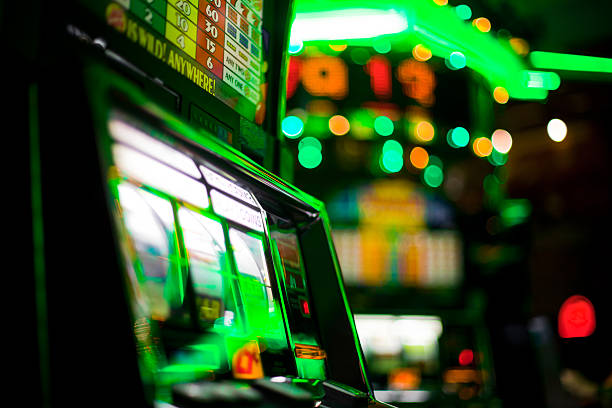
Moreover, the sounds specific to certain games, such as the ringing of coins in slot machines or the clinking of chips in table games, contribute to the overall atmosphere. These sounds create a sense of reward and excitement, making players feel as though they are winning, even when they might not be. The strategic use of sound can amplify emotions and keep players in a state of exhilaration, prompting them to play longer and visit more frequently. Sound effects are carefully curated to add layers of excitement and to reinforce the thrill of each gaming moment.
In addition, some casinos invest in creating immersive soundscapes that transport players to different environments. For example, tropical-themed casinos might employ sounds of waves or birds to evoke a relaxed holiday vibe. This theme-oriented auditory design not only enhances the escapism that gaming provides but also influences players’ behaviors by making them feel more immersed and encouraged to stay longer in that environment. The interplay of sound and theme can significantly impact how players perceive their gaming experience, leading to heightened engagement and emotional investment.
Conclusion: The Online Casino Experience
The principles of design influencing player behavior are also applicable to the growing world of online casinos. Just as physical venues use colors, spatial layouts, lighting, and sound, virtual casinos apply similar strategies to enhance user engagement. The interface design, game graphics, and audio elements work together to create an inviting environment that encourages players to stay longer and explore more options online. By mimicking the sensory experiences found in physical casinos, online platforms can create a competitive edge in the digital gaming market.
With advanced technology, online platforms are increasingly able to replicate the immersive experiences found in physical casinos. For instance, they can use dynamic visuals and responsive sound effects that react to player actions, creating a sense of excitement akin to that of a physical gaming floor. By understanding the psychology behind design, online casinos can optimize their platforms to influence player behavior, leading to increased commitment and spending. The evolving landscape of online gaming necessitates a keen understanding of design elements to captivate players effectively.
As the landscape of gaming continues to evolve, understanding how design elements impact player experience remains crucial for both physical and online casinos. By leveraging design effectively, casinos can cultivate an atmosphere that not only attracts new players but also retains existing ones, ensuring their success in a competitive market. The thoughtful integration of design strategies ultimately plays a pivotal role in shaping the future of gaming experiences, whether in traditional venues or digital platforms.

